How Does a Garbage Collection Service Work?
A garbage collection service plays an important role in keeping homes, businesses, and communities clean by managing waste removal in an organized and responsible way. Every day, large amounts of household trash, commercial waste, and unwanted materials need to be collected, transported, sorted, and properly disposed of to protect public health and the environment.
Many people rely on waste collection companies but do not always understand what happens after their trash bins are placed outside. From scheduled pickups to disposal facilities and recycling efforts, several steps are involved in the process. Understanding how garbage collection works can help homeowners and businesses make better decisions about waste management, reduce unnecessary waste, and choose reliable services that fit their needs.
Understanding the Role of a Garbage Collection Service
A garbage collection service is designed to provide convenient and reliable waste removal for residential, commercial, and industrial properties. The main purpose of these services is to collect unwanted materials and transport them to appropriate locations for disposal, recycling, or processing. Without organized garbage collection, communities would face increased risks of pollution, unpleasant odors, and sanitation concerns.
The process begins when customers place their waste in designated containers or approved areas for pickup. Collection schedules may vary depending on location, property type, and the amount of waste produced. Residential customers typically have weekly pickups, while businesses may require more frequent service due to higher waste volumes.
Professional waste companies use trained workers, specialized trucks, and established procedures to safely handle different types of waste. These companies follow local regulations to ensure that garbage is managed properly and does not create hazards for people or the environment.
The Process of Scheduling and Preparing for Waste Pickup
The first step in using a garbage collection service is arranging a pickup schedule that matches the customer’s needs. Homeowners typically sign up for regular collection days, while businesses may request customized schedules based on their waste production. Some companies also provide one-time pickups for large cleanouts, renovations, or special projects.
Before collection day arrives, customers are usually responsible for preparing their waste properly. This may include placing trash bags inside approved containers, keeping bins accessible, and separating materials that require special handling. Proper preparation helps collection crews work efficiently and prevents delays during pickup.
Many waste companies provide guidelines about what can and cannot be placed in regular garbage containers. Items such as hazardous chemicals, certain electronics, construction debris, and large appliances may require separate disposal methods. Following these rules helps protect workers and ensures waste reaches the correct processing facility.
A well-organized pickup system benefits both customers and service providers. When waste is placed correctly and collected according to schedule, the entire process becomes faster and safer. Reliable scheduling also prevents overflowing containers, which can attract pests and create sanitation problems.
How Garbage Collection Trucks and Equipment Are Used
Garbage collection trucks are essential tools that allow waste companies to efficiently remove large amounts of trash from residential and commercial areas. These vehicles are specially designed with features that make collecting, transporting, and storing waste safer and more effective.
Different types of trucks are used depending on the type of waste being collected. Many residential routes use automated trucks equipped with mechanical arms that lift empty garbage bins into the vehicle. Other trucks may require workers to manually load bags, containers, or larger items.
Modern collection equipment helps reduce physical strain on workers while improving efficiency. Trucks are built with compacting systems that compress waste, allowing them to carry more materials before needing to be emptied. This reduces the number of trips required and helps lower fuel consumption.
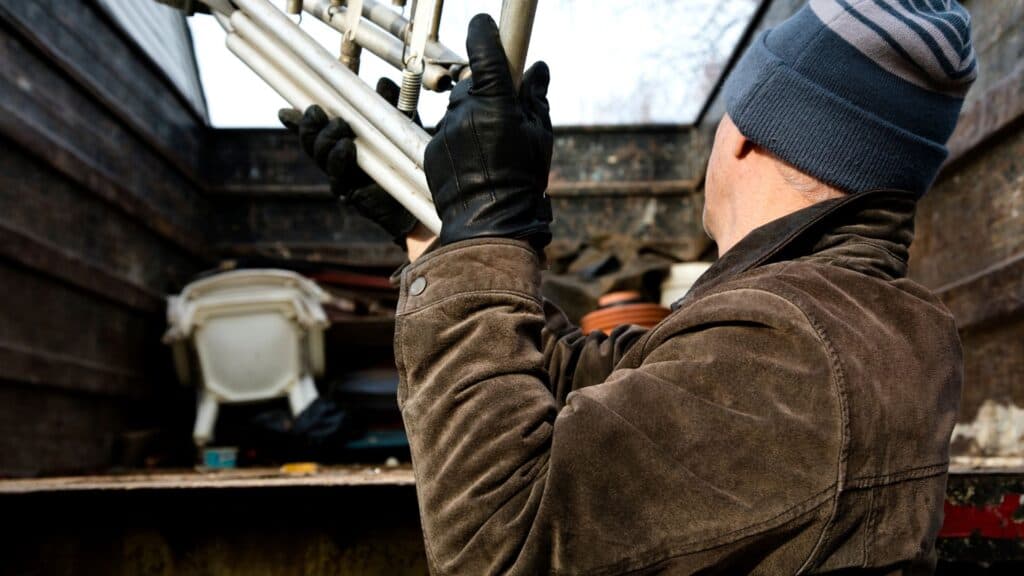
Collection crews also use protective equipment and safety procedures when handling waste. Gloves, proper lifting techniques, and careful sorting practices help reduce workplace injuries. Maintaining clean and functional equipment is an important part of providing dependable waste removal.
What Happens After Garbage Is Collected?
Once waste is removed from a property, it begins the next stage of the disposal process. After a collection truck completes its route, the waste is transported to a designated facility where it can be processed, sorted, or disposed of according to local requirements.
Many people assume that all garbage goes directly to a landfill, but modern waste management involves several steps. At processing facilities, materials may be separated to identify items that can be recycled or reused. Paper, metals, plastics, and other recyclable materials can often be recovered and redirected into manufacturing processes.
Items that cannot be recycled are typically sent to approved disposal locations. Landfills today are designed with systems that help manage environmental impacts, including liners that protect soil and groundwater and methods for controlling gases produced by decomposing waste.
Some waste may also be processed through alternative methods, such as composting or energy recovery programs. These options help reduce the amount of material that remains in landfills.
The Importance of Recycling and Proper Waste Separation
Recycling is an important part of modern waste management because it reduces the amount of material sent to landfills. When recyclable items are separated correctly, they can be transformed into new products instead of becoming unnecessary waste.
Many garbage collection providers encourage customers to separate materials such as cardboard, paper, glass, and certain plastics. Proper sorting allows recycling facilities to process these materials more efficiently and reduces contamination that can make recycling more difficult.
Waste separation also helps identify materials that require special handling. Electronics, batteries, chemicals, and other items may contain components that should not be placed in regular trash. Keeping these materials separate protects collection workers and prevents environmental damage.
Businesses and households can support recycling efforts by learning local disposal guidelines and reducing single-use waste. Simple actions, such as reusing containers or choosing recyclable products, can make a meaningful difference.
Residential and Commercial Garbage Collection Differences
Residential and commercial properties often have different waste management needs. Homes typically produce smaller amounts of everyday waste, while businesses may generate larger volumes depending on their industry and operations. Because of these differences, collection services are usually customized to meet specific requirements.
Residential garbage pickup commonly focuses on household materials such as food waste, packaging, and general trash. Collection schedules are usually consistent, allowing homeowners to maintain clean and organized properties without storing waste for long periods.
Commercial waste management requires more planning because businesses may produce higher amounts of garbage every day. Restaurants, offices, retail stores, and construction companies often need larger containers, frequent pickups, or specialized disposal solutions.
A professional provider evaluates factors such as waste volume, property size, and disposal needs before recommending a service plan. This ensures customers receive efficient collection without paying for unnecessary capacity.
Businesses also have additional responsibilities when handling certain materials. Proper disposal practices help companies maintain compliance with local regulations and create cleaner working environments.
How Professional Waste Collection Helps Protect the Environment
Proper waste collection has a direct impact on environmental protection. When garbage is not managed correctly, it can contribute to pollution, harmful odors, and damage to natural resources. Professional waste companies help reduce these risks by following established collection and disposal practices.
One major environmental benefit is reducing illegal dumping. Convenient waste removal services give residents and businesses a responsible way to dispose of unwanted materials. This helps prevent trash from entering streets, waterways, and natural areas.
Waste companies also contribute by promoting recycling and responsible disposal methods. By recovering reusable materials and reducing landfill dependence, collection providers help conserve resources and support sustainability.
Efficient transportation methods also play a role in reducing environmental impact. Well-planned routes and properly maintained equipment help lower fuel usage and improve overall operations.
Choosing the Right Garbage Collection Service for Your Needs
Selecting the right waste provider requires considering several important factors. Customers should look for a company that offers reliable scheduling, professional service, and solutions that match their specific waste removal needs.
Experience is an important consideration because established providers understand local regulations, disposal methods, and customer expectations. A dependable company should also have trained staff and properly maintained equipment to ensure safe and efficient collection.
Customers should evaluate available services, including regular pickups, large-item removal, recycling options, and commercial waste solutions. Flexible service choices make it easier to manage changing waste needs over time.
Conclusion
A garbage collection service involves much more than simply removing trash from a property. The process includes scheduling pickups, using specialized equipment, transporting waste, sorting materials, recycling, and following proper disposal methods. Understanding how waste collection works helps homeowners and businesses make better choices for cleanliness, safety, and environmental responsibility.
For reliable waste removal solutions in North Carolina, JunkAhaulics provides professional garbage collection and junk removal services designed to meet residential and commercial needs. Their team focuses on efficient service, responsible disposal, and customer satisfaction. Whether you need regular waste management assistance or help removing unwanted items, JunkAhaulics is ready to help. Contact them today at +1(910) 403-3616 to learn more about dependable waste solutions.
https://www.podomatic.com/podcasts/marissaross197podcast/episodes/2026-08-20T07_39_23-07_00
https://stream.redcircle.com/episodes/d2f1684b-6fad-4d62-b2f6-14f0933ad50d/stream.mp3
https://www.spreaker.com/episode/how-does-a-garbage-collection-service-work–74455905